
Best Practices for Concrete Pouring and Curing in Hot Weather
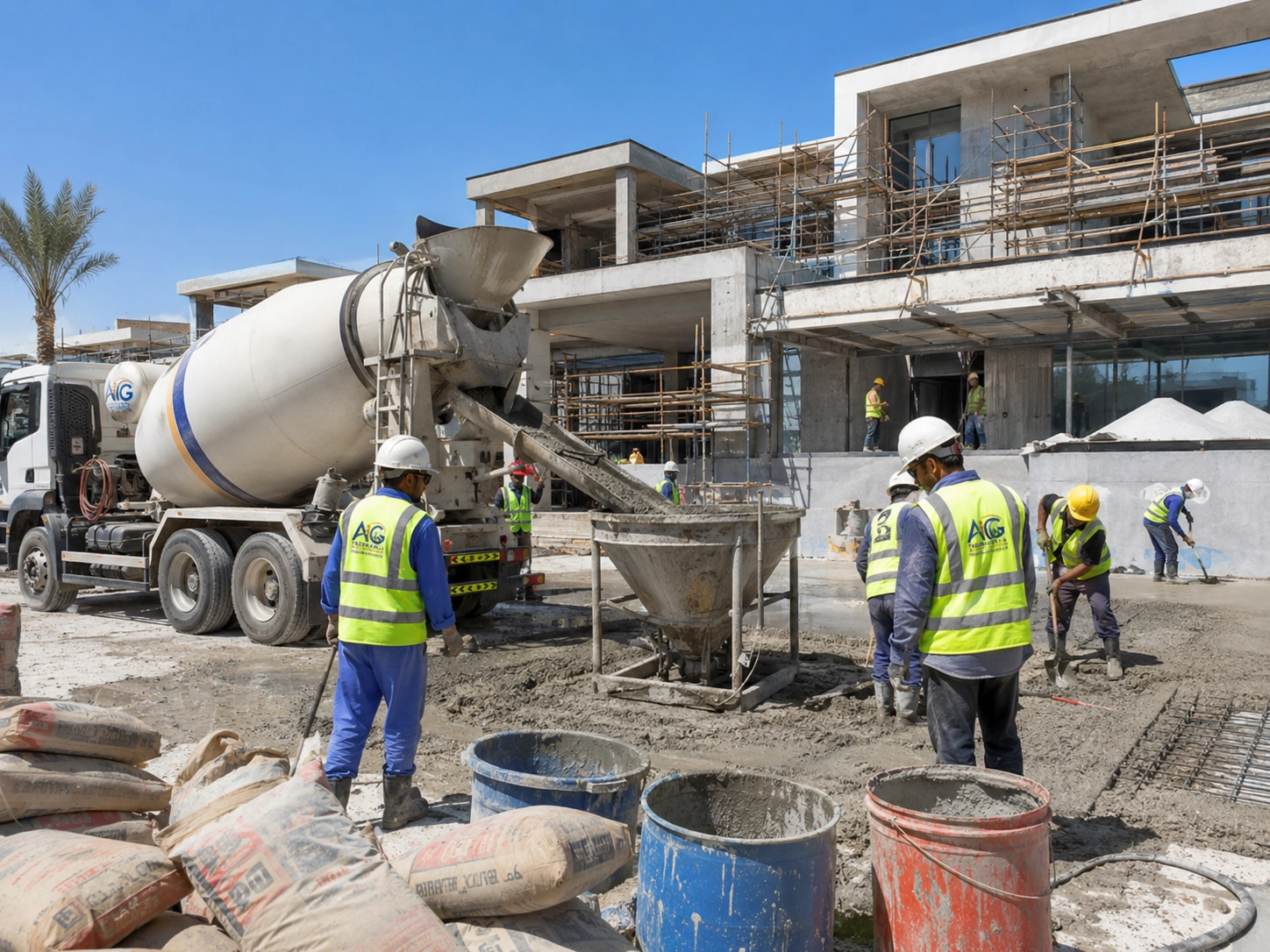
The extreme heat of the UAE presents a unique challenge for concreting works. High temperatures cause the moisture in wet concrete to evaporate too quickly, which can lead to shrinkage cracks and compromised structural strength.
Hot Weather Concreting Techniques:
- Scheduling: We often schedule large pours during the cooler night hours or early morning.
- Temperature Control: Using chilled water or ice flakes in the concrete mix to lower the initial temperature.
- Continuous Curing: Immediately applying curing compounds or wet burlap to lock in moisture as soon as the concrete sets.
A I G Technical follows stringent quality control measures during every concrete pour, ensuring flawless results regardless of the ambient temperature.
Written by A I G Technical Team
The Neuvive editorial team comprises leading experts in neuro rehabilitation, committed to delivering high-quality insights.
Related Articles
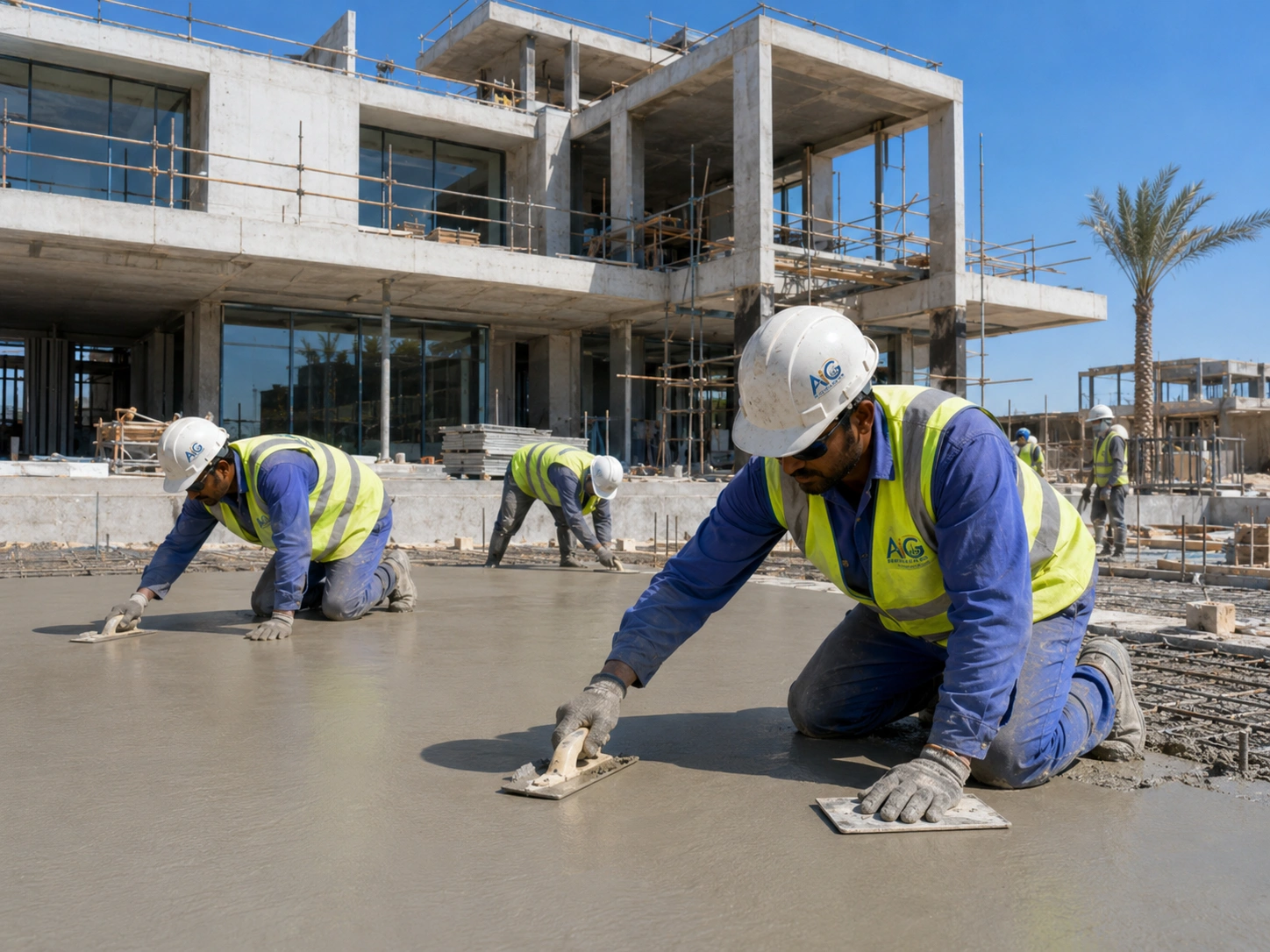
Understanding Concrete Slump Tests: Why It Matters on Site
A deep dive into concrete workability, water-cement ratios, and why the slump test is the first defense against weak structures.
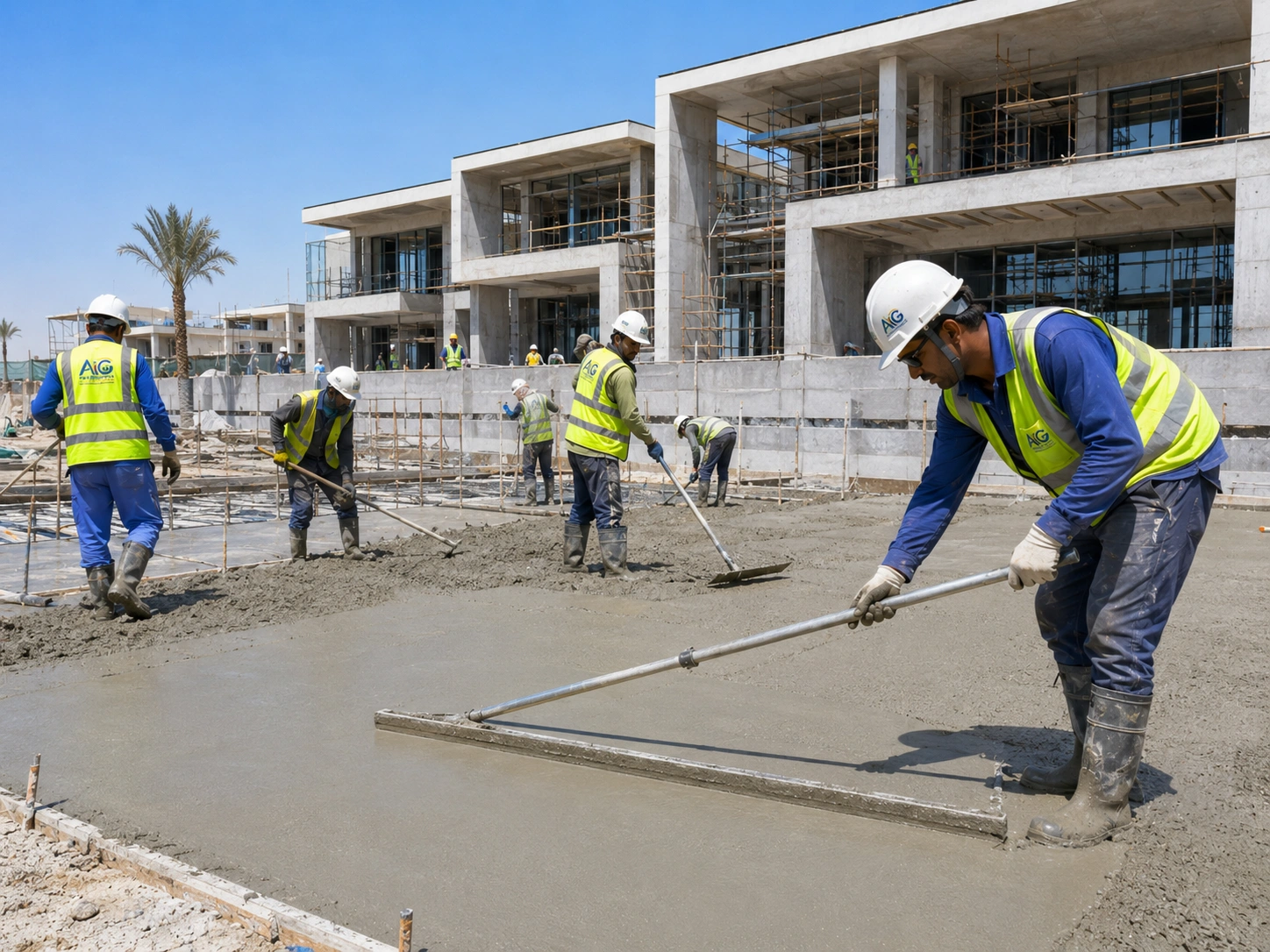
Preventing Honeycombing in Concrete Structures
Honeycombing is a common concrete defect that exposes steel reinforcement to rust. Learn our methods for ensuring perfectly consolidated concrete.
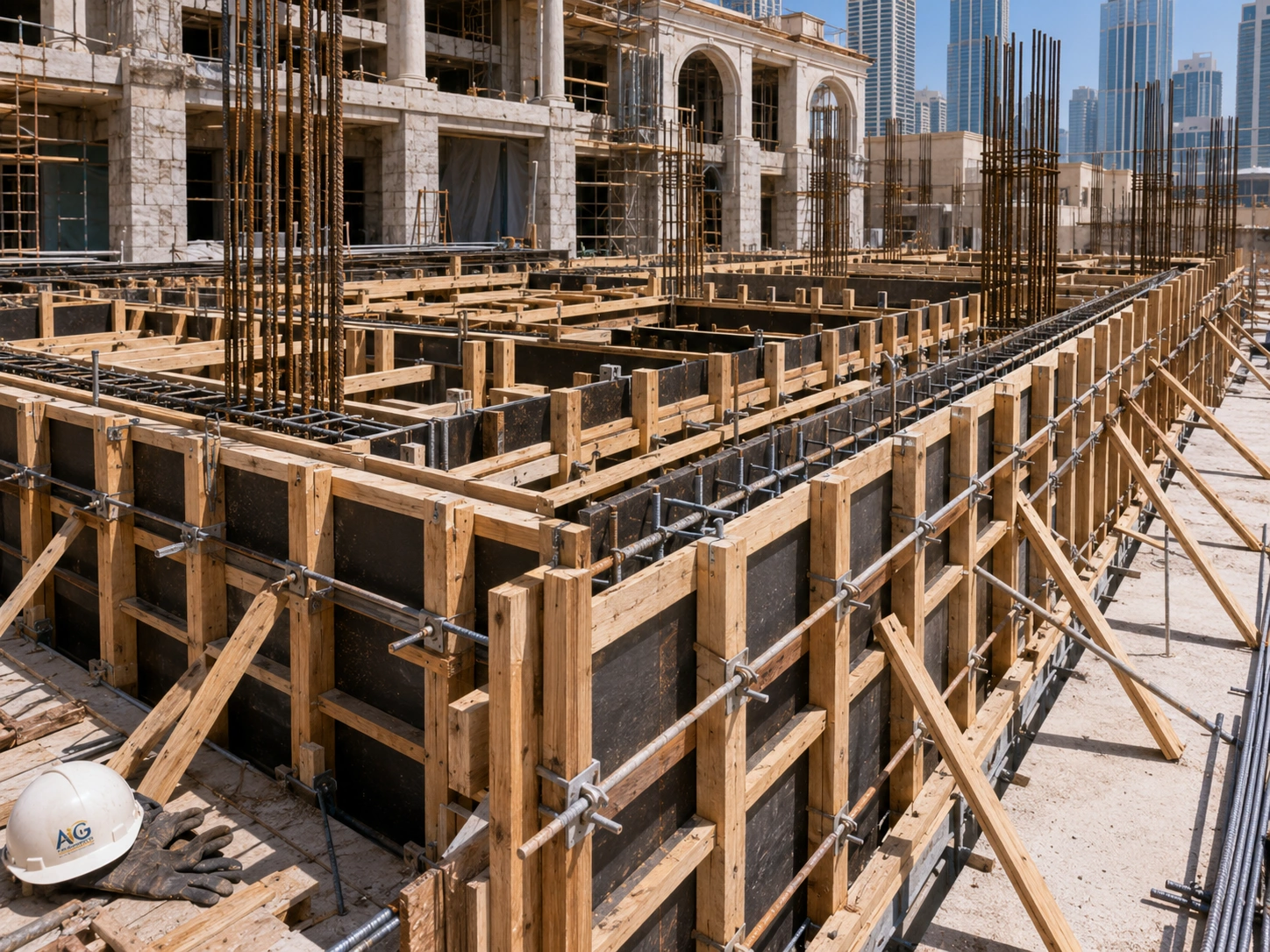
Safety First: Working at Heights during Formwork Erection
Discover the rigorous safety protocols and harness systems we employ to protect our shuttering carpenters working on high-rise edges.